Year Bill Tracker: Avoiding Common Mistakes and Making the Right Choice
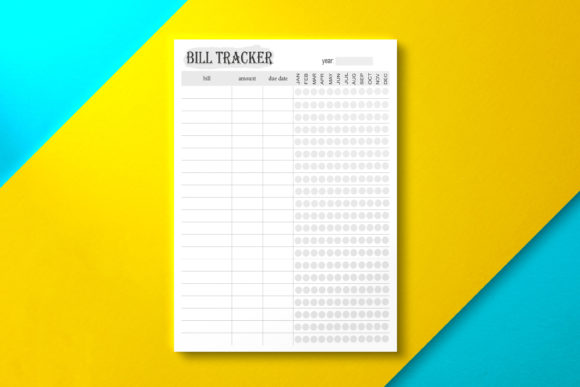
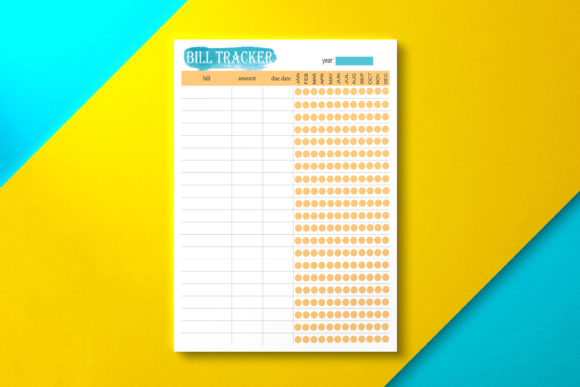
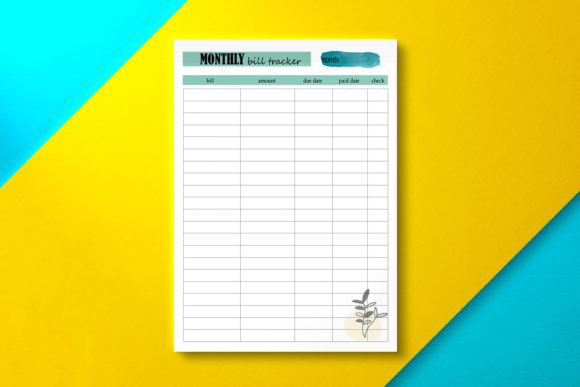
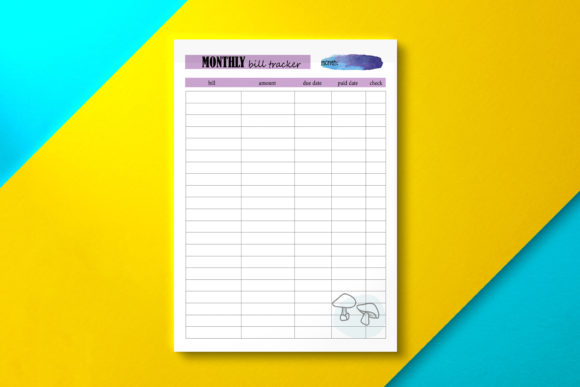
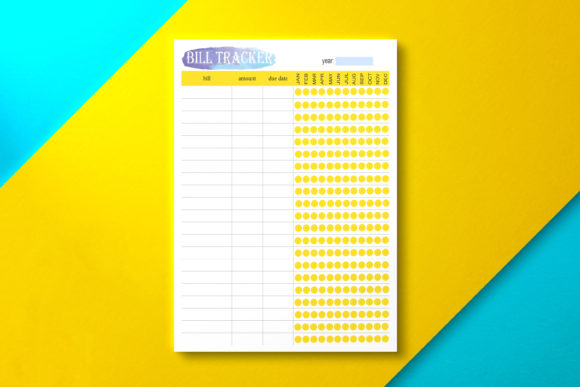
Staying on top of your finances is easier said than done, especially when you're juggling multiple bills, subscriptions, and payments throughout the year. That's where a Year Bill Tracker comes in handy. Designed to help individuals and small businesses manage recurring expenses, this tool simplifies budgeting by offering a structured, printable format to log, monitor, and project annual expenses. Available in multiple sizes—Letter, Half Letter, A4, and A5—the Year Bill Tracker caters to different printing preferences and organizational styles, making it a versatile option for both personal and commercial use.
Why People Choose Year Bill Tracker
Many users are drawn to the Year Bill Tracker because of its simplicity and adaptability. Whether you're a freelancer tracking monthly invoices, a homeowner managing utility bills, or a small business owner organizing operational costs, this tracker provides a visual, easy-to-follow layout. Its 1-page format (in various sizes) allows for quick reference, while the 50-page version is ideal for bulk printing or resale on platforms like Amazon KDP. The ready-to-use design eliminates the need for complicated spreadsheets or digital tools, appealing to those who prefer a tactile, hands-on approach to budgeting.
Common Mistakes When Choosing or Using Year Bill Tracker
Despite its straightforward design, users often make avoidable errors when selecting or implementing the Year Bill Tracker. These mistakes can reduce its effectiveness and lead to confusion or frustration down the line.
Mistake 1: Ignoring the Paper Size
One of the most overlooked details is the physical size of the tracker. While the Year Bill Tracker is available in Letter, Half Letter, A4, and A5 formats, users sometimes download the wrong size, leading to misaligned printouts or compatibility issues with planners and binders. For example, choosing A4 when you need Letter size can result in wasted paper or illegible text after resizing.
Better approach: Always verify your printer's supported paper sizes and your intended use before downloading. If you're unsure, opt for the most widely used size in your region—Letter in the U.S. and A4 in most other countries.
Mistake 2: Underestimating the Need for Multiple Pages
Some users assume that a single-page tracker is sufficient for the entire year. While the 1-page format is great for quick overviews, it may not offer enough space for detailed notes or long-term planning. Conversely, purchasing the 50-page version without a clear purpose can lead to unnecessary costs and clutter.
Better approach: Consider your usage pattern. If you're planning to use the tracker personally, the 1-page version may be enough. But if you're preparing for a business, classroom, or resale, the 50-page version offers better value and convenience.
Mistake 3: Failing to Customize the Tracker
Many users treat the Year Bill Tracker as a one-size-fits-all solution without adjusting it to fit their specific needs. This can result in missed payments, incorrect categorization, or poor budgeting habits. For instance, a user tracking subscription services might benefit from adding a column for auto-renewal dates, which the standard version may not include.
Better approach: Before printing, take a few minutes to customize the columns or add notes sections that align with your financial habits. Even small tweaks can significantly improve usability and clarity.
Mistake 4: Not Checking Print Quality and File Format
Another common issue is assuming that all digital files are created equal. Some users download the Year Bill Tracker only to find that the PDF is low resolution, difficult to edit, or incompatible with their software. This can be especially frustrating when preparing for commercial use or professional presentations.
Better approach: Look for high-quality PDFs with clear fonts, scalable resolution, and compatibility with common PDF readers. If you're planning to resell or modify the tracker, ensure it's licensed for commercial use and comes in an editable format if needed.
What to Check Before Downloading or Using Year Bill Tracker
To get the most out of your Year Bill Tracker, it's essential to do a quick checklist before downloading or printing:
- Paper size: Confirm the correct format (Letter, A4, etc.) for your printer and organizational system.
- Page count: Decide whether you need a single-use tracker or a multi-page version for ongoing or bulk use.
- File quality: Ensure the PDF is crisp, legible, and compatible with your software.
- License type: If you're planning to sell or distribute the tracker, verify it's labeled for commercial use.
- Customizability: Check if the file allows for easy editing or annotations to suit your specific needs.
How to Use Year Bill Tracker Effectively
Once you've selected the right version, using the Year Bill Tracker effectively requires a bit of planning and consistency:
- Set up your categories: Group your bills by type (utilities, subscriptions, loans, etc.) to make tracking easier.
- Enter due dates: Fill in the months and days when each bill is due to avoid late payments.
- Track payment methods: Note whether payments are made via check, online transfer, or automatic deduction.
- Update regularly: Make it a habit to review and update the tracker monthly to catch discrepancies or upcoming expenses.
- Archive completed pages: If using the 50-page version, keep a record of past months for future reference or tax purposes.
Final Thoughts
The Year Bill Tracker is a simple yet powerful tool for anyone looking to streamline their financial management. By avoiding common mistakes and taking the time to choose and customize the right version, you can make budgeting less stressful and more productive. Whether you're using it for personal finance, small business planning, or even as a printable product to sell, the key is to approach it thoughtfully and consistently. With the right preparation, the Year Bill Tracker becomes more than just a form—it becomes a reliable financial companion for the entire year.