Year Bill Tracker Sheet: A Practical Tool for Managing Personal Finances
Understanding the Year Bill Tracker Sheet
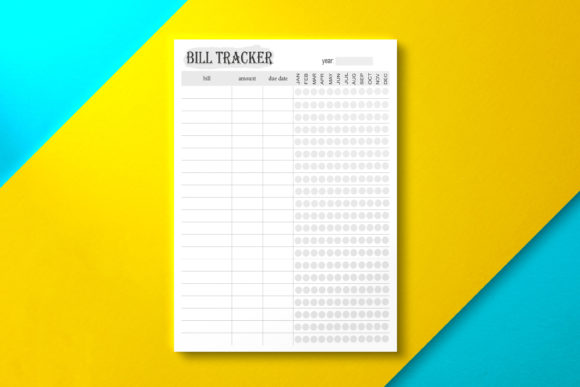
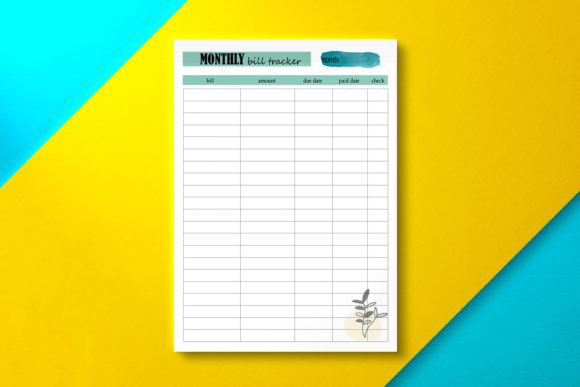
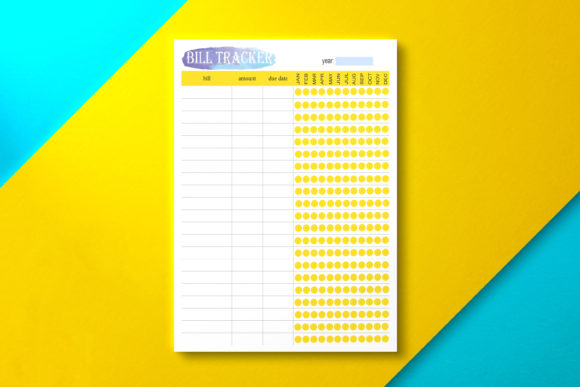
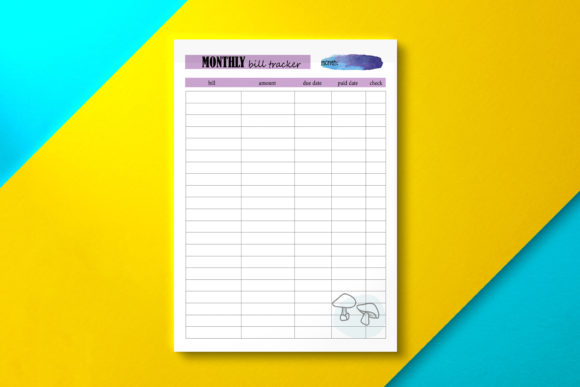
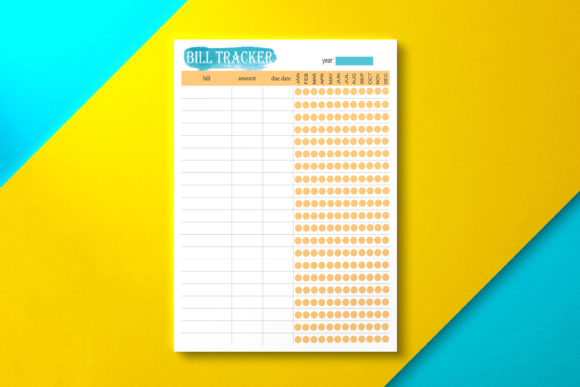
The Year Bill Tracker Sheet is a versatile financial planning tool designed to help individuals and households track and manage recurring expenses throughout the year. Available in multiple formats—including Letter, Half Letter, A4, and A5 sizes—it caters to a variety of printing and organizational preferences. Whether you're looking to stay on top of monthly utilities, subscription services, or annual fees, this tracker provides a structured, visual way to monitor your financial obligations.
Each version of the Year Bill Tracker is typically formatted as a one-page document that lists months across the top or side, allowing users to log due dates, amounts, and payment statuses. The 50-page version expands on this concept, offering a more comprehensive format for those who prefer to track multiple years or maintain detailed notes alongside their records.
Why Someone Might Use a Year Bill Tracker
Managing personal finances effectively requires organization and consistency. The Year Bill Tracker Sheet is particularly useful for individuals who:
- Prefer physical tools over digital apps for budgeting and expense tracking
- Want a simple, visual method to stay on top of monthly and annual bills
- Are new to budgeting and need a straightforward starting point
- Need to coordinate household expenses with a partner or family member
For those who find digital tools overwhelming or who want a backup system, the Year Bill Tracker offers a tactile, easy-to-reference alternative.
Key Benefits of Using the Year Bill Tracker
The Year Bill Tracker Sheet provides several distinct advantages:
- Customizable: Users can tailor the tracker to fit their specific needs, adding notes, color-coding, or personal symbols to indicate payment status or priority.
- Portable and Printable: With versions in Letter, A4, and other common sizes, it can be printed and used in a variety of binders or planners.
- Cost-effective: Often available for digital download, these sheets are an affordable alternative to paid budgeting software or subscription-based planners.
- Adaptable: Whether you're tracking a single year or using the 50-page version for long-term planning, the format supports both short- and long-term financial goals.
Considerations and Tradeoffs
While the Year Bill Tracker Sheet is a valuable tool, it's not without limitations. Users should consider the following factors before choosing this method:
- Limited Automation: Unlike digital budgeting tools, the Year Bill Tracker doesn't automatically update or send reminders. Users must manually input and update data, which can lead to oversight if not consistently maintained.
- Storage and Durability: Paper-based systems require physical space and are susceptible to damage or loss. Digital versions solve some of these issues but may not offer the same ease of use for note-taking.
- Scalability: For individuals with complex financial situations—such as variable income, investments, or multiple accounts—a simple bill tracker may not provide enough depth.
When the Year Bill Tracker Is a Strong Fit
This tool works best for individuals with a relatively stable income and predictable monthly expenses. It's particularly well-suited for:
- First-time budgeters: Those just beginning to manage their finances may find the simplicity of the Year Bill Tracker less intimidating than complex budgeting software.
- Minimalist planners: People who prefer minimalism in their planning tools may appreciate the clean layout and focused purpose of this tracker.
- Household managers: Couples or families who want to track shared expenses can use the sheet to coordinate payments and responsibilities.
- Offline users: Those who prefer to avoid digital tools or have limited internet access can rely on the printed version without needing an online connection.
When Alternatives Might Be Better
While the Year Bill Tracker is effective for many, it may not be the best choice for everyone. Consider alternative tools if:
- You have a variable income: Freelancers or commission-based workers may need more flexible budgeting tools that allow for income fluctuations.
- You require automatic syncing: If you frequently update your budget on the go, a mobile app with cloud integration may offer more convenience.
- You need detailed financial reports: For in-depth analysis of spending habits, net worth tracking, or investment monitoring, digital platforms like YNAB (You Need A Budget) or Mint may be more appropriate.
- You prefer automation: Apps that automatically categorize expenses and send payment reminders can reduce the manual effort required with a paper tracker.
Practical Insights for Decision-Making
Choosing the right financial tracking method depends on your lifestyle, financial complexity, and personal preferences. Here are some practical insights to help you decide if the Year Bill Tracker Sheet is right for you:
- Assess your financial habits: Are you more likely to stick with a tool you can physically write in, or do you prefer digital convenience? Consider how you currently manage your bills and whether a paper-based system would fit into your routine.
- Review your expense structure: If your bills are mostly fixed and predictable, the Year Bill Tracker can provide sufficient oversight. However, if you have irregular expenses or multiple income streams, a more robust tool may be necessary.
- Think about accessibility: If you're frequently on the move or need to access your financial data from multiple devices, a digital alternative might be more practical.
- Test before committing: Many digital budgeting tools offer free trials, and the Year Bill Tracker can often be downloaded as a sample. Try both approaches to see which one you're more likely to use consistently.
Conclusion
The Year Bill Tracker Sheet is a practical, accessible tool for individuals seeking a simple and customizable way to manage their annual expenses. Its availability in multiple formats—Letter, Half Letter, A4, and A5—makes it adaptable to different organizational preferences and printing needs. While it may not offer the automation or depth of digital budgeting tools, it serves as an effective solution for those who value simplicity, tangibility, and ease of use in their financial planning process.
Ultimately, the right financial tracking method is the one you'll use consistently. Whether you choose the Year Bill Tracker or a digital alternative, the key is to maintain awareness of your financial obligations and make informed decisions that support your long-term goals.