Expenses Tracker - KDP Interior: Avoid Costly Mistakes and Make the Most of This Powerful Tool
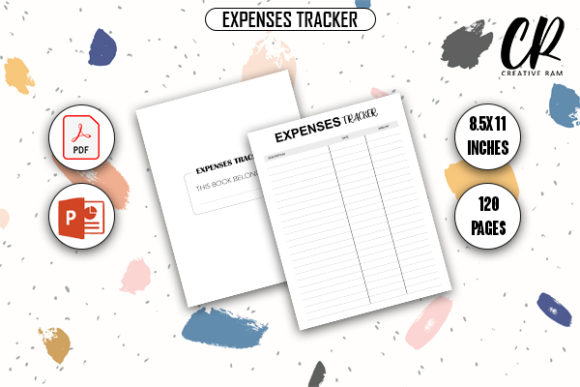
Managing personal or business finances can be overwhelming, especially when you're juggling multiple income streams, irregular expenses, or fluctuating budgets. The Expenses Tracker - KDP Interior is a professionally designed, print-ready template tailored for Amazon KDP users who want to publish a functional and visually appealing expense tracking journal. With its 8.5" x 11" dimensions, 120 pages, and bleed-ready formatting, this product offers a solid foundation for creators aiming to enter the personal finance niche. However, many users overlook key details that can impact the final product’s quality, usability, and profitability.
Understanding the Basics: What Is Expenses Tracker - KDP Interior?
The Expenses Tracker - KDP Interior is a downloadable package that includes both PDF and PPTX files, designed specifically for Amazon Kindle Direct Publishing. It comes with 120 pages formatted to meet KDP's print specifications, including bleed settings, making it ideal for self-publishers who want a ready-to-upload interior without spending time on layout design.
Whether you're a freelancer tracking monthly expenses, an entrepreneur managing startup costs, or a blogger offering budgeting tools, this tracker can be customized to suit your audience’s needs. However, many users rush into downloading and publishing without fully understanding the nuances of the product, which can lead to avoidable issues.
Common Mistakes and How to Avoid Them
Even experienced creators can fall into traps when using pre-made templates like the Expenses Tracker - KDP Interior. Here are some common pitfalls and how to avoid them:
1. Assuming the Template Is Fully Customizable Without Effort
While the PDF and PPTX files included in the package are editable, they may require some familiarity with design software like Microsoft PowerPoint or Adobe Acrobat. Some users mistakenly believe they can open the files and start customizing immediately without any learning curve.
Realistic example: A small business owner downloads the template expecting to change the color scheme and fonts in minutes, only to discover that the file layers are complex and require time to adjust properly.
Better approach: Before purchasing, check if the seller provides a preview file or sample customization guide. If you're not comfortable with design tools, consider hiring a graphic designer or investing in a more user-friendly version.
2. Ignoring Bleed and Margin Requirements
The Expenses Tracker - KDP Interior is designed with bleed, which is essential for professional printing. However, many users overlook the importance of keeping text and design elements safely within the margins to avoid being cut off during printing.
Realistic example: A blogger uploads the file without adjusting the margins, only to receive printed copies where important table headers are partially cut off.
Better approach: Always double-check KDP’s margin and bleed guidelines. Use the provided template layers as a guide and avoid placing critical content too close to the edges.
3. Not Previewing the Final File Before Upload
Some creators skip the preview step, assuming the template will look exactly as intended when uploaded to KDP. Unfortunately, formatting can shift slightly depending on how the file is exported or converted.
Realistic example: A freelancer uploads the PDF directly from PowerPoint without exporting it properly, leading to misaligned pages and inconsistent spacing.
Better approach: Always generate a preview PDF through KDP's online tools or use a third-party PDF viewer to check alignment, font rendering, and page numbers before publishing.
4. Underestimating the Importance of Content Relevance
The Expenses Tracker - KDP Interior is a tool, not a finished product. Its success depends on how well it serves your target audience. Many creators fail to tailor the template to their niche, resulting in a generic product that doesn’t resonate with buyers.
Realistic example: An educator uses the standard expense tracker without adding sections for school-related budgets, missing an opportunity to connect with teacher buyers.
Better approach: Customize the tracker to include relevant categories, tips, or prompts that align with your audience’s needs. Add personal finance advice, budgeting strategies, or seasonal expense reminders to enhance value.
What to Check Before Publishing
Before uploading your Expenses Tracker - KDP Interior, take a few moments to verify the following key elements:
- File Format: Ensure your final file is saved as a high-quality PDF with embedded fonts.
- Page Count: Confirm the total page count matches the intended layout, especially if you've added or removed pages.
- Print Preview: Use KDP’s previewer or a PDF reader to simulate how the book will look when printed.
- Customization: Double-check any changes you made to colors, fonts, or layout to ensure consistency across all pages.
- Metadata: Don’t forget to add a compelling title, description, and keywords in your KDP dashboard to improve discoverability.
Final Thoughts: Make Informed Choices for Better Results
The Expenses Tracker - KDP Interior is a valuable resource for creators looking to enter the budgeting and personal finance market. However, success depends on thoughtful customization, attention to formatting details, and understanding your audience’s expectations. By avoiding common mistakes and taking the time to prepare your file correctly, you’ll not only improve the quality of your published product but also increase customer satisfaction and repeat sales.
Remember, a well-executed expense tracker can become a trusted companion for users managing their finances. Whether you're publishing for profit or to support your audience, investing a little extra time upfront can make all the difference in the final outcome.