Music Paper Staff and Tablature: A Practical Tool for Musicians of All Levels
Understanding Music Paper Staff and Tablature
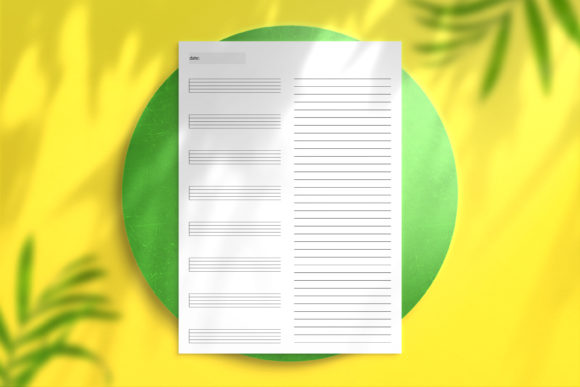
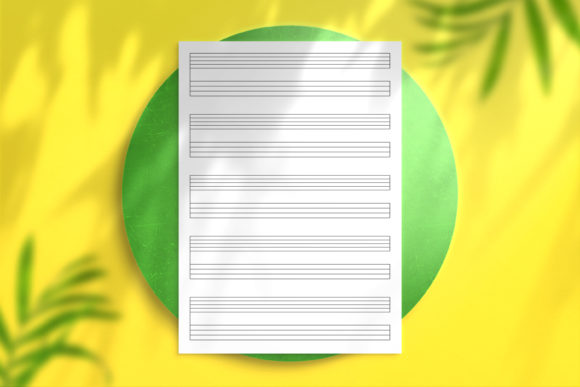
Music Paper Staff and Tablature is a specialized form of sheet music paper that combines traditional musical notation with guitar tablature. This dual-format design makes it easier for musicians—especially guitarists and bassists—to read and write music that reflects both pitch and finger positioning. Whether you're composing original music, transcribing a favorite song, or teaching others, this type of paper bridges the gap between classical notation and modern instrumental techniques.
Available in multiple sizes including Letter (8.5×11 in), Half Letter, A4, and A5, these sheets are ideal for different applications—from personal practice notebooks to classroom handouts and professional recording sessions. The black staff lines provide a clean, high-contrast visual that enhances readability, especially when printing or copying.
Real-World Uses Across Different Scenarios
One of the biggest strengths of Music Paper Staff and Tablature is its versatility. Here's how different types of users can benefit from it:
- Songwriters: For those who create original music, having both staff and tab on the same page allows for faster transcription and clearer communication of ideas. You can jot down melodies and chord progressions simultaneously, ensuring your musical vision is accurately captured.
- Guitar Instructors: Teachers often use this format to provide students with custom exercises or simplified versions of songs. It makes learning more intuitive by showing both the note and the fretboard position.
- Home Recording Artists: When laying down tracks, having a well-organized chart with both notation and tab helps you keep track of arrangements, especially if you're playing multiple instruments or working with collaborators remotely.
- Live Performers: Onstage, quick visual references matter. Using staff and tab together can help musicians recall complex parts without missing a beat, especially during long sets or improvisational segments.
Who Benefits Most from This Format?
While all musicians can benefit from this style of paper, certain groups find it especially useful:
- Beginners: New guitarists often struggle with traditional notation. Tablature gives them a visual guide to finger placement, making it easier to learn songs quickly and build confidence.
- Self-Taught Musicians: Without formal training, many self-taught players rely heavily on tabs. Having both systems side by side helps them gradually learn standard notation while still working within a familiar framework.
- Composers and Arrangers: Those who write for multiple instruments can use the staff section for melodic lines and the tab for guitar-specific parts, ensuring clarity across different players and sections.
- Music Educators: Teachers can create custom worksheets that cater to various learning styles, making lessons more engaging and accessible for students at different levels.
Choosing the Right Format for Your Needs
When selecting Music Paper Staff and Tablature, the physical format matters. Each size serves a different purpose:
- Letter (8.5×11 in): Ideal for printing at home or in a studio, this size fits most binders and is great for full-page charts or multi-track arrangements.
- Half Letter: Compact and portable, Half Letter pages are perfect for quick notes, small notebooks, or carrying in a gig bag without taking up much space.
- A4: Widely used internationally, A4 is compatible with most printers and notebooks outside the U.S., making it a solid choice for global musicians.
- A5: Half the size of A4, A5 is excellent for journaling, sketching musical ideas on the go, or creating pocket-sized reference guides.
Additionally, the 100-page pack offers a cost-effective solution for frequent users, whether you're transcribing entire albums, preparing lesson materials, or writing your own compositions regularly.
Practical Considerations Before Use
Before diving into Music Paper Staff and Tablature, there are a few things to keep in mind:
- Software Compatibility: If you're printing from a digital source, ensure your PDF reader or notation software supports the chosen paper size. Some programs may require manual adjustments for optimal formatting.
- Ink and Print Quality: Since the staff lines are black, it's important to use a printer with sufficient ink or toner to maintain clarity. Faded lines can make reading difficult, especially in low-light settings.
- Binding and Organization: Think about how you'll store your pages. Will you use a binder, staple them into booklets, or insert them into a notebook? The format you choose should align with your workflow and storage preferences.
- Usage Frequency: Casual users may find the 1-page options sufficient, while professionals or educators will likely benefit more from the 100-page pack to avoid frequent reprints.
Strengths and Limitations of Staff and Tab Combined Paper
The biggest strength of this format is accessibility. It lowers the learning curve for guitarists and simplifies the process of writing and sharing music. However, it's important to recognize its limitations too:
- Notation Precision: While tablature shows where to play a note, it doesn't always indicate rhythm or timing accurately. For that, traditional notation is still essential.
- Instrument Specificity: Although it's most useful for fretted instruments like guitar and bass, it's less effective for piano, violin, or vocal arrangements where tablature isn't applicable.
- Learning Curve for Traditional Musicians: Classically trained musicians may find the tab section redundant or distracting unless they're accustomed to reading both systems together.
Despite these limitations, the benefits of having both systems on the same page often outweigh the drawbacks, especially for hybrid learners and performers who value clarity and convenience.
How to Make the Most of Music Paper Staff and Tablature
Here are a few practical tips to get the most out of your Music Paper Staff and Tablature:
- Use Color-Coded Pens: Try writing melody lines in one color and chords or rhythm parts in another. This makes it easier to follow along during practice or performance.
- Annotate Freely: Add notes, chord diagrams, or rhythmic cues in the margins. The goal is to make your sheet as clear and useful as possible for future reference.
- Combine with Digital Tools: Use apps like Guitar Pro or MuseScore to create digital versions, then print them on your preferred Music Paper Staff and Tablature for physical use.
- Create Custom Workbooks: Print multiple pages and bind them into personalized workbooks for lessons, songwriting sessions, or tour preparation.
Final Thoughts
Music Paper Staff and Tablature is more than just a sheet of paper—it's a practical tool that empowers musicians to write, learn, and share music more effectively. Whether you're a beginner guitarist, a seasoned composer, or an educator working with students, this format offers a balanced approach that combines tradition with modernity.
By choosing the right size, understanding its strengths and limitations, and using it creatively, you can turn this simple resource into a powerful part of your musical workflow. And with options ranging from single pages to bulk packs, it's easy to find the version that best fits your needs.