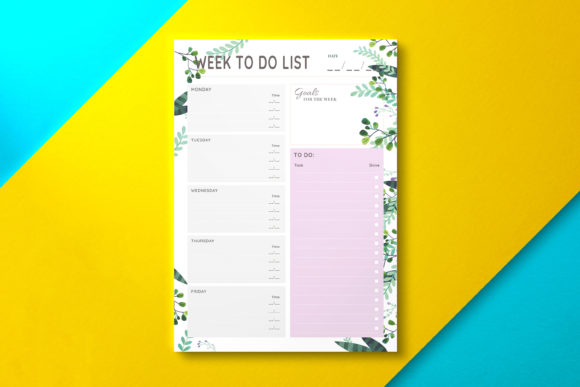
Weekly to Do List Sheet Summer: Strategic Planning for Productivity and Results
Understanding the Weekly to Do List Sheet Summer
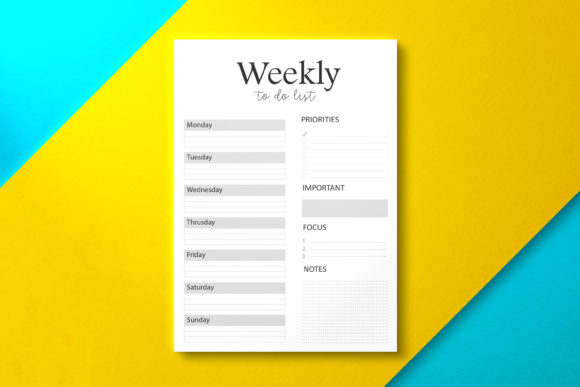
The Weekly to Do List Sheet Summer is a focused planning tool designed to help individuals and professionals organize tasks, set priorities, and maintain consistency throughout the summer season. Available in multiple formats—Letter, Half Letter, A4, and A5—it offers flexibility in use while maintaining a clean, structured layout. Whether you're managing a business, creating content, or balancing personal goals, this resource supports intentional planning without unnecessary complexity.
What sets the Weekly to Do List Sheet Summer apart is its seasonal alignment. Summer often brings shifts in routine, travel plans, and new project cycles. A dedicated planning sheet helps maintain focus despite these changes. It's not just a to-do list—it's a framework for staying on track while adapting to evolving priorities.
Why Strategic Use Matters
Many people treat to-do lists as simple task repositories. However, the real value of the Weekly to Do List Sheet Summer lies in how it's used. When applied strategically, it becomes a decision-making tool that supports goal-setting, time allocation, and progress tracking.
- Goal alignment: Each week becomes a step toward broader summer objectives.
- Clarity under pressure: Helps maintain focus when routines shift.
- Better communication: Can be shared with team members or collaborators for alignment.
- Decision-making aid: Prioritization becomes visual and actionable.
For entrepreneurs, creators, and professionals, this tool supports not just task completion but intentional progress. It's especially useful when juggling multiple roles, managing a remote team, or launching seasonal campaigns.
How to Use the Weekly to Do List Sheet Summer for Strategic Planning
Begin by defining what success looks like for your summer. Are you launching a product, building a content calendar, or managing a small business through peak season? Once you have a clear direction, the Weekly to Do List Sheet Summer becomes a weekly checkpoint.
- Set your weekly goals: Identify 2–3 key outcomes that support your larger objective.
- Break them into tasks: Assign these to specific days based on energy levels and availability.
- Track progress: Use the sheet to mark completed tasks and reflect on what worked or didn’t.
- Adjust as needed: Stay flexible but grounded in your overall plan.
For example, a blogger launching a summer content series can use the list to schedule writing, editing, and publishing dates. A small business owner might track marketing activities, inventory checks, and customer outreach efforts.
When to Use This Tool and What to Consider
The Weekly to Do List Sheet Summer works best when used consistently and with intention. It’s ideal for:
- Seasonal business owners adjusting to summer demand
- Freelancers managing multiple client projects
- Educators planning summer programs or professional development
- Entrepreneurs launching seasonal campaigns or products
- Individuals balancing personal and professional goals during a dynamic time of year
However, it’s important to recognize that this tool is only as effective as the planning behind it. Before relying on it, consider:
- Do you have clear goals? Without defined objectives, the list becomes a random collection of tasks.
- Is your schedule realistic? Avoid overloading the sheet without considering time constraints.
- Are you prepared to adjust? Flexibility is crucial, especially in summer when plans often shift.
Practical Examples and Strategic Insights
A digital marketer running a summer ad campaign can use the Weekly to Do List Sheet Summer to coordinate copywriting, design, launch dates, and performance reviews. By mapping out each phase, they ensure no step is overlooked and can easily communicate progress with their team.
A creator launching a summer podcast series might use the list to schedule guest outreach, recording sessions, editing, and publishing. The structure helps maintain momentum and ensures content is released consistently.
For small business owners, the list supports operational clarity—tracking inventory restocks, staff scheduling, promotional events, and customer engagement activities. It becomes a central reference point that keeps the business running smoothly even during high-demand periods.
Avoiding Common Pitfalls
One of the most common mistakes with planning tools like the Weekly to Do List Sheet Summer is treating them as standalone solutions. A list without goals is just a list. A plan without reflection is just a schedule.
To avoid this, always start with the end in mind. Ask yourself:
- What do I want to achieve by the end of summer?
- How does each week contribute to that outcome?
- Am I adjusting based on what I learn each week?
Without this context, users risk falling into the trap of “busy work”—checking off tasks that don’t meaningfully contribute to long-term results.
Customizing for Different Formats and Uses
The Weekly to Do List Sheet Summer comes in multiple formats to suit different preferences and workflows:
- Letter and A4: Ideal for desktop use, detailed planning, or printing in bulk for KDP or commercial use.
- Half Letter and A5: Compact and portable, perfect for on-the-go professionals or those who prefer minimalism.
- 50-page versions: Designed for long-term use or resale, especially for planners, educators, or entrepreneurs offering planning tools.
Choosing the right format depends on your environment and how you prefer to work. A digital creator might use the A4 version for planning content calendars, while a traveling consultant might opt for A5 for easier portability.
Long-Term Value Through Intentional Use
The Weekly to Do List Sheet Summer isn't just a seasonal tool—it's a habit-forming resource that encourages consistency, reflection, and strategic thinking. When used intentionally, it supports not just task completion but meaningful progress.
By aligning weekly actions with broader goals, users build a rhythm that sustains them beyond summer. They also develop a habit of structured planning, which can be applied to other seasons, projects, or business cycles.
Whether you're launching a product, managing a creative project, or simply organizing your summer workload, this tool offers a grounded, flexible way to stay on track. The key is to treat it as part of a larger strategy—not just a list to fill out each week.