Lettering Graph Page Green: A Versatile Tool for Creatives and Planners
What Exactly Is Lettering Graph Page Green?
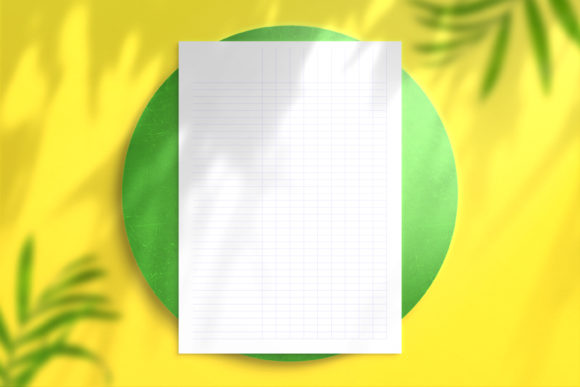
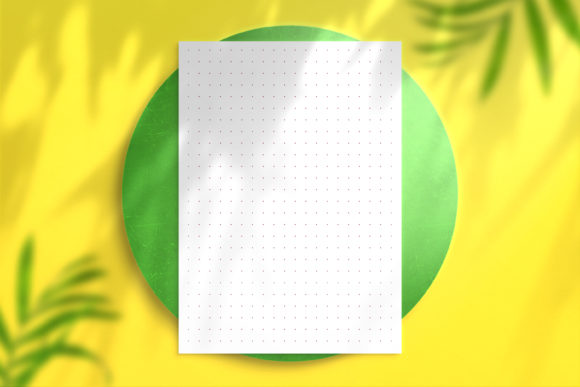
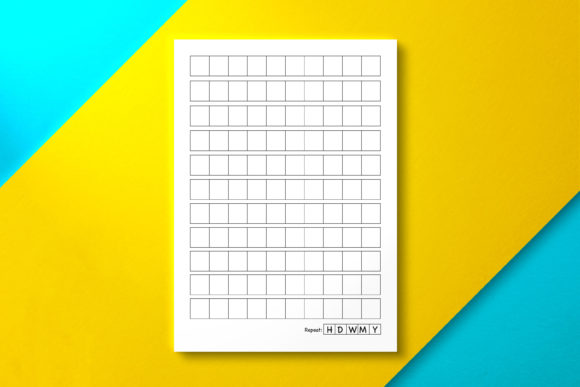
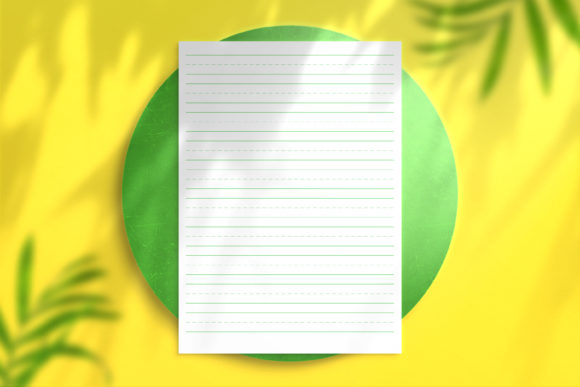
Lettering Graph Page Green is a specialized type of graph paper designed specifically for lettering, calligraphy, sketching, and planning. It features a green-colored grid pattern printed on standard-sized sheets such as Letter (8.5×11 in), Half Letter, A4, and A5. This subtle green background provides a visual guide without being overpowering, making it ideal for both digital and print use. Whether you're a graphic designer, journaler, or small business owner, this tool offers a structured yet flexible canvas for your creative or organizational needs.
How Can Lettering Graph Page Green Be Used in Real Life?
One of the most popular applications of Lettering Graph Page Green is in the world of hand lettering and calligraphy. The grid lines help maintain consistent spacing and alignment, especially when practicing different lettering styles or creating custom quotes. Because the green background is light and non-distracting, it allows artists to focus on their strokes and forms without visual fatigue.
For planners and bullet journal enthusiasts, this type of graph paper offers an excellent base for weekly spreads, habit trackers, and goal-setting pages. The uniform grid helps in drawing clean lines and boxes, while the green hue adds a calming aesthetic that many find more soothing than stark white or bright-colored grids.
Designers and illustrators also find value in using Lettering Graph Page Green for layout planning. Whether sketching thumbnails for a website or mapping out a print design, having a structured guide makes the process more efficient. The green background can help reduce eye strain during long design sessions, especially when working digitally with a tablet or stylus.
Who Benefits Most From Using Lettering Graph Page Green?
- Calligraphers and Lettering Artists: The grid helps maintain consistent angles and spacing, especially when learning or practicing new lettering styles.
- Planners and Organizers: The structure supports the creation of clean, functional layouts for bullet journals, calendars, and to-do lists.
- Graphic Designers: It’s useful for sketching wireframes or mockups before moving into digital design software.
- Teachers and Educators: Can be used for creating visually appealing worksheets, lesson plans, or classroom organization charts.
- Entrepreneurs and Content Creators: Ideal for brainstorming, content calendars, and branding mood boards.
Practical Examples of Lettering Graph Page Green in Action
Imagine a freelance lettering artist preparing for a client project. They might use Lettering Graph Page Green to sketch out different compositions before finalizing their design. The grid ensures that each word is balanced and aligned properly, which is crucial for delivering a polished result.
Another example could be a student using A5-sized Lettering Graph Page Green sheets in a notebook to create study guides. The grid helps them organize notes, draw diagrams, and write neatly spaced headings. The green background also makes the page feel less rigid than traditional graph paper, encouraging creativity in their learning process.
For those running a small business, this type of paper can be used to plan social media content calendars. Each square can represent a day or a post type, and the green background adds a touch of personality without interfering with readability.
Choosing the Right Size: Letter, Half Letter, A4, A5
When selecting Lettering Graph Page Green, size matters depending on your intended use. Here's a quick breakdown:
- Letter (8.5×11 in): Great for large-scale projects, presentations, or printing on standard home printers.
- Half Letter: Compact and portable, ideal for quick notes or carrying in a small notebook.
- A4: Widely used internationally, suitable for both digital and print work, especially in design and education.
- A5: Perfect for bullet journals and personal planners, fits easily into most travel-sized notebooks.
Each size offers unique benefits, so it’s worth considering how you plan to use the sheets. If you're preparing for a KDP upload, for instance, the 100-page Lettering Graph Sheet Letter size is ideal for creating printable workbooks or journals that can be sold online.
Things to Consider Before Using Lettering Graph Page Green
Before diving in, it's important to think about how you'll be using the sheets. If you're working digitally, ensure the file format (PDF) is compatible with your design software or tablet. Also, check the print settings if you plan to print at home or through a service like KDP—some printers may require specific paper types or adjustments for optimal results.
Another consideration is ink or pencil usage. Because the green background is printed, it may show through lighter pencil strokes or fine liners. Test your tools on a sample page first to ensure visibility and clarity. If you're concerned about ink usage, especially for large print runs, you may want to adjust the print settings to grayscale or reduce the background color intensity.
Strengths and Limitations of Lettering Graph Page Green
One of the main strengths of Lettering Graph Page Green is its versatility. It serves a wide range of users—from artists to planners—and adapts well to both digital and analog workflows. The green background is gentle on the eyes, making it a better option than bright colors or stark black grids for extended use.
However, it may not be suitable for everyone. Those who prefer minimal visual guidance might find the grid distracting, especially if they're used to freehand drawing or writing. Additionally, the green tint may not be compatible with certain scanning or OCR (optical character recognition) tools, which can affect digital usability for some users.
Final Thoughts on Lettering Graph Page Green
Whether you're creating art, organizing your schedule, or designing digital layouts, Lettering Graph Page Green offers a practical and aesthetically pleasing solution. Its availability in multiple sizes and formats—including a 100-page KDP-ready version—makes it a valuable resource for creators and entrepreneurs alike. By understanding how to best utilize this tool, you can enhance your workflow, improve consistency, and enjoy a more enjoyable creative experience.